How to Understand Anion Gap in Acute Shock
What Is the Anion Gap and Why Does It Matter So Much in Shock?
The anion gap is a useful way to look for hidden acids in the blood and to separate causes of metabolic acidosis during shock. In clinical practice, it is part of a wider acid-base interpretation that starts with the electrolytes in a standard serum chemistry panel. When tissue oxygen delivery drops, the body may shift toward anaerobic pathways and produce acid, making the anion gap a valuable diagnostic clue in undifferentiated shock.
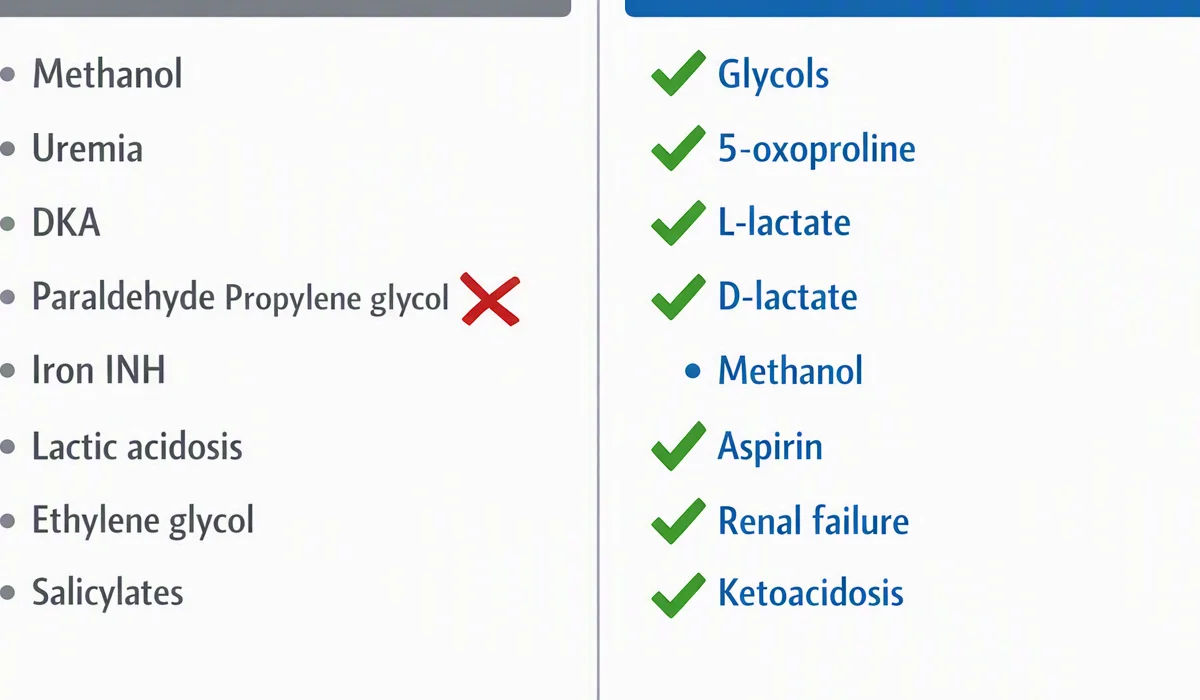
In shock, the anion gap can be significant because it can point toward a perfusion problem, a toxic exposure, or another secondary cause of metabolic derangement. A rising gap often suggests unmeasured anions are accumulating, while a normal gap may indicate bicarbonate loss or a different acid-base disorder. Either way, the number should be interpreted in the context of hemodynamic instability, resuscitation status, and the rest of the clinical assessment.
A useful way to think about the anion gap is as a laboratory marker that narrows the differential. It does not diagnose shock by itself, but it can help identify whether the acid-base disorder is more consistent with lactic acidosis, ketoacidosis, renal failure, toxic alcohols, or another process. In critical care, that distinction can change the next step quickly.
How to Apply an Anion Gap Calculator Accurately
An anion gap calculator is only as accurate as the results entered into it. The calculation usually depends on serum sodium, serum chloride, and serum bicarbonate, which are obtained from the electrolyte panel. Because the output can guide urgent decisions, the numbers should be checked for alignment with the broader serum chemistry and the clinical picture.
Most calculators use a standard formula that compares measured cations and anions. If the result seems unusual, first verify the lab values and confirm whether the bicarbonate is from the chemistry panel rather than a blood gas. Even small changes in chloride or bicarbonate can change interpretation, especially in a patient with evolving shock and ongoing resuscitation.
To use the calculator correctly, consider these steps:
- Confirm the electrolyte panel is recent and not outdated.
- Use the single set of values from one blood draw when possible.
- Check whether albumin is decreased, since that can mask a real gap.
- Compare the result with the arterial blood gas and lactate.
- Interpret the number as part of acid-base interpretation, not in isolation.
The anion gap calculator is especially helpful when the clinical question is whether the patient’s acidosis indicates unmeasured acids or another pattern. In shock, this can support rapid bedside reasoning, but it should never replace clinical assessment or trend monitoring.
What Does a High Anion Gap Suggest in Shock?
A high anion gap in shock usually points to accumulation of acids or toxins. The most common cause in unstable patients is lactic acidosis, which often indicates tissue hypoperfusion. When blood flow and oxygen delivery are poor, cells shift to anaerobic metabolism, generating lactate and pushing the gap upward.
This pattern is common in sepsis, hemorrhage, cardiogenic shock, and other states with impaired perfusion. The anion gap acts as a valuable diagnostic clue because it may rise before the clinical picture fully declares itself. NAGMA causes In a patient with metabolic acidosis and hemodynamic instability, a high gap should raise concern for ongoing oxygen debt and inadequate resuscitation.
That said, a high anion gap does not automatically mean the cause is lactate. It only indicates that unmeasured acids are present. The next step is to match the lab pattern with the story: infection, hypoperfusion, renal dysfunction, diabetic decompensation, or ingestion. In critical care, the value is strongest when combined with the arterial blood gas, lactate, and bedside findings.
In shock, a rising anion gap often signals worsening perfusion deficit, but the cause still needs targeted identification.
Ways to Differentiate Causes of High Anion Gap Acidosis?
Once a high gap is identified, the key objective is to find the underlying secondary cause. In the setting of shock, the top causes include ketoacidosis, kidney failure, toxic alcohol exposure, and salicylates. Each requires a different management approach, so the pattern on the labs and the history help guide the diagnosis.
Ketoacidosis may occur in diabetes, starvation, or alcohol-related states and often presents with an elevated gap plus low serum bicarbonate. Kidney failure can also produce a high gap because acid clearance is impaired. With toxic alcohols, the gap may be high early, sometimes before an osmolar gap closes in, and the patient may have neurologic findings or unexplained acidosis. Salicylates can cause a mixed acid-base disorder, often combining respiratory alkalosis with metabolic acidosis.
Key points for differentiation include:
- Diabetes, fasting, or alcohol use in the history for ketoacidosis
- Established kidney disease, low urine output, or rising creatinine for renal failure
- Exposure history, altered mental status, or visual symptoms for toxic alcohols
- Tinnitus, hyperventilation, or mixed respiratory findings for salicylates
In shock, these etiologies can coexist with lactic acidosis. For example, a septic patient with renal dysfunction can have more than one acid-base disorder at once. For this reason the high anion gap should always trigger broader diagnostic reasoning rather than a single-track conclusion.
What Does a Normal Anion Gap Indicate in Shock?
A typical anion gap cannot eliminate serious acidosis in shock. It may indicate a non-gap metabolic acidosis, which often results from https://anion-gap-guide862.zenbloomer.com/posts/how-dialysis-changes-the-anion-gap bicarbonate loss rather than rise of unmeasured acids. In the unstable patient, this can occur with loose stools, renal tubular acidosis, or high-chloride fluid administration causing chloride excess.
Normal-gap acidosis is important because it can coexist with shock-related hypoperfusion. For example, a patient may have received significant chloride-containing fluids during resuscitation and suffer a non-gap metabolic acidosis even as the initial perfusion deficit lessens. In other cases, diarrhea or renal tubular dysfunction may be the primary acid-base disorder while shock is the larger clinical context.
Do not assume a normal gap means the situation is benign. It may simply mean the current problem is not build-up of unmeasured acids. The bicarbonate can still be low, the pH can still be acidemic, and the patient can still have marked organ stress. Always check the arterial blood gas, clinical trend, and response to resuscitation.
How Do Albumin Levels Influence Anion Gap Interpretation?
Low albumin may render the anion gap appear incorrectly within normal limits or only mildly elevated. Albumin is a important unmeasured anion, so when it is low, the measured gap narrows even if clinically important acids are present. This is especially significant in critical illness, where low albumin is common and can distort acid-base balance interpretation.
Correcting for albumin may help adjust the gap upward when albumin is low. That adjustment is crucial because an uncorrected result can miss a true high-gap process. In a patient with shock, this can delay recognition of lactic acidosis or another acid-base disorder that needs urgent attention.
Think about albumin correction when the result does not fit the patient’s condition. If the patient appears severely ill but the gap is “normal,” low albumin may be hiding the abnormality. Correcting for albumin gives a clearer picture of acid-base balance and helps distinguish a genuine normal-gap state from a masked high-gap state.
In practice, albumin should be assessed alongside the anion gap calculator result, the serum bicarbonate, and the arterial blood gas. That combined view is more reliable than any single number.
Which Further Labs Assist Interpret Shock and Acid-Base Conditions?
The anion gap is only one piece of the acid-base picture. In shock, several other labs help clarify the problem and support resuscitation. The most important are lactate, arterial blood gas, base deficit, and serum ketones.
Lactate is particularly helpful because it mirrors the severity of hypoperfusion and the degree of oxygen debt. An elevated lactate suggests lactic acidosis, though the exact source still requires clinical interpretation. The arterial blood gas reveals pH, PaCO2, and bicarbonate, helping identify whether the patient has a pure metabolic acidosis or a mixed disorder with respiratory compensation. Base deficit provides another way to quantify metabolic acidosis and can help monitor response over time. Serum ketones are important when ketoacidosis is possible.
Other supportive data may include creatinine, glucose, osmolar gap if toxic alcohols are a concern, and repeat electrolytes to monitor the evolving serum chemistry. In critical care, a single snapshot is rarely enough. The broader lab pattern is the best way to connect the anion gap to the actual cause of shock.
When Should You Recheck the Anion Gap in Shock Cases?
Recheck the anion gap when the patient is receiving active stabilization, when the cause of shock is still being worked out, or when treatment is underway and you need trend review. Serial monitoring is especially useful if the initial gap is increased, if lactate is elevated, or if the clinical response is not clear.
A decreasing gap can be a comforting sign that the metabolic derangement is gettting better. In lactic acidosis, for example, the gap may fall as perfusion improves and oxygen delivery is restored. In ketoacidosis, it often normalizes as insulin and fluids resolve the metabolic process. In toxic ingestion, the pattern may evolve otherwise, but trend monitoring still helps show whether treatment is effective.
Reassess sooner if the patient worsens, if new laboratory data conflict with the bedside picture, or if a mixed disorder is suspected. In shock, the anion gap is most useful when it is paired with repeated clinical assessment and a clear understanding of the compensatory response.
Typical Errors While Interpreting Anion Gap in Shock
A typical error is laboratory error. A broken-down sample, specimen mix-up, or older value can result in faulty interpretation. Another common mistake is failing to recognize mixed acid-base disorders, which are frequent in shock and can mask the underlying process.
Ignoring albumin adjustment is a common oversight. Low albumin can make a serious high anion gap acidosis appear less obvious than it really is. The same can happen in reverse: a patient can have both lactic acidosis and chloride-related acidosis, which may somewhat cancel out each other and produce a artificially small gap.
The delta gap is useful if a mixed acid-base disorder is considered. It evaluates the difference in anion gap with the difference in bicarbonate and can reveal whether there is an extra alkalosis or a different non-gap acidosis. This is helpful in shock of unclear cause, where more than one process may be happening at the same time.
Other pitfalls include ignoring the clinical context, not accounting for that shock itself may cause lactic acidosis, and basing conclusions on one isolated value instead of the full pattern. Accurate acid-base interpretation depends on the electrolyte panel, arterial blood gas, lactate, and bedside hemodynamics to be read together.
FAQ: Anion Gap in Shock
What does a high anion gap mean in shock?
A raised anion gap in shock usually means unmeasured acids are building up, most often from lactic acidosis due to tissue hypoperfusion. It can also reflect ketoacidosis, renal failure, toxic alcohols, or salicylates, so the result should be interpreted with the clinical picture and other labs.
Can shock cause a normal anion gap metabolic acidosis?
Absolutely. Shock can coexist with normal anion gap metabolic acidosis, especially if chloride-rich fluids are given during resuscitation or if there is another cause such as diarrhea or renal tubular acidosis. A normal gap does not rule out a significant acid-base disorder.
How does lactate affect the anion gap?
Lactate is an unmeasured anion, so when it rises it can increase the anion gap. Elevated lactate often reflects inadequate oxygen delivery, tissue hypoperfusion, or sepsis-related metabolic stress.
Why should albumin be considered when interpreting the anion gap?
Albumin is a major unmeasured anion. If albumin is low, the anion gap may appear artificially normal or only slightly elevated. Albumin correction helps uncover hidden metabolic acidosis, especially in critical illness.
What labs should be checked with an anion gap calculator in shock?
Along with the Anion Gap Calculator result, check lactate, arterial blood gas, base deficit, serum ketones, and repeat electrolytes including serum bicarbonate. These tests help define the acid-base disorder and distinguish lactic acidosis, ketoacidosis, renal failure, toxic alcohols, and other causes.